Melodic House Festival Guide — Sunset Vibes & Crowd Tips

TL;DR
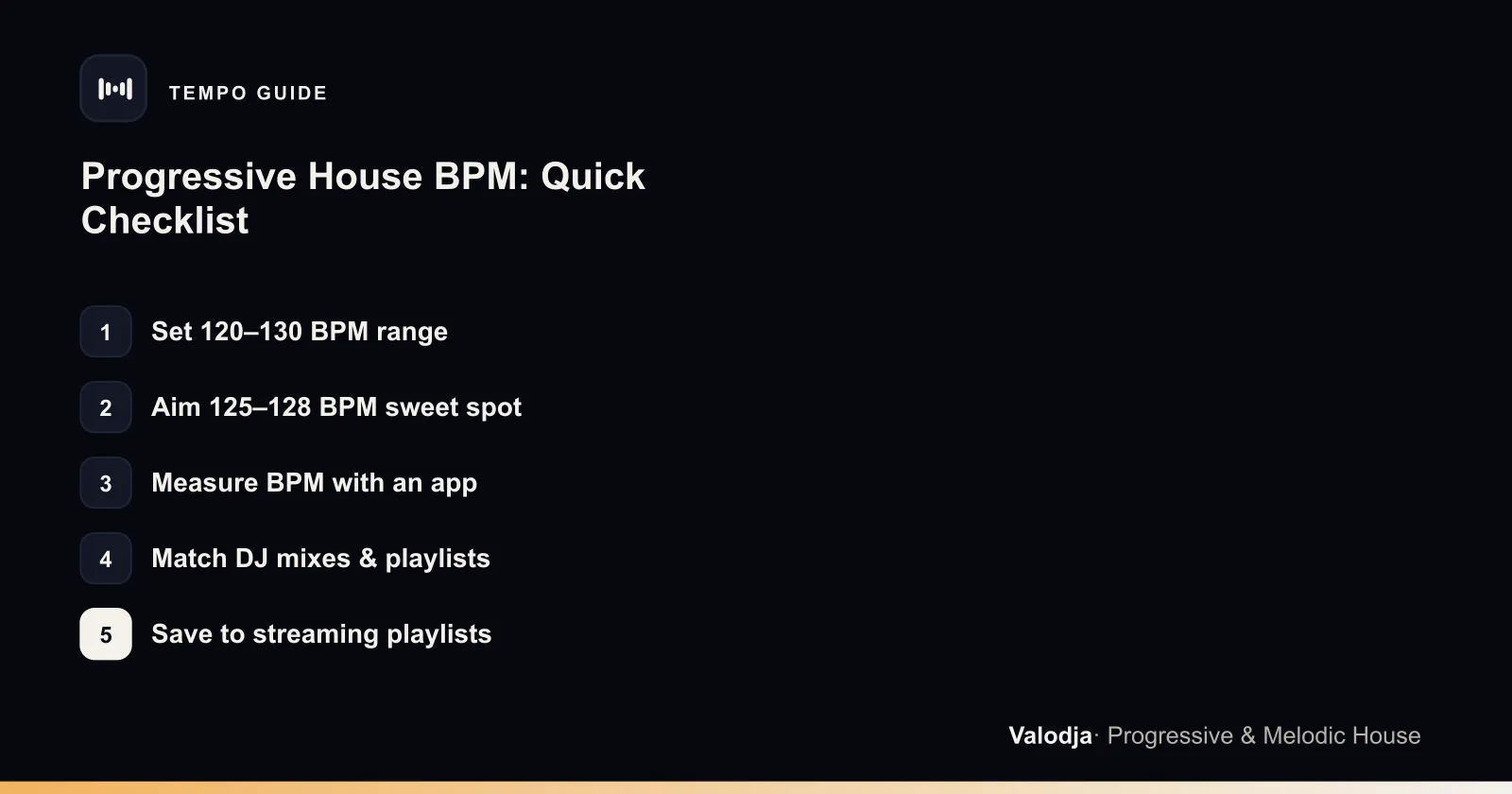
A melodic house festival leans into warm, melodic DJ sets that peak at sunset. Expect 118–126 BPM grooves, atmospheric builds, and a listening‑forward crowd. This guide maps the sunset set structure, crowd lights and visuals, what to bring, and how to prep a playlist. Hit play on the Spotify embed below and follow for more.
Melodic house festivals & the sunset vibe
If you’re curious what a melodic house festival actually feels like, start with golden hour. These events time their most emotional moments for sunset, pairing melodic drops with the sky’s color shift. Expect warming grooves, slow-bloom builds, and a listening-first crowd that still loves to dance. Press play on the Spotify embed below to sample the vibe and, if it clicks, follow to keep these moods in your pocket.
Downloadable: Melodic House Sunset Checklist (PDF) — use it before you head out, and at the gate.
What is a melodic house festival?
A melodic house festival centers on melodic house — house grooves with emotional, melodic progressions, not just percussion and bass. The music leans on harmony, pads, and atmospheric textures, with a tempo that typically lives between 118 and 126 BPM. On a festival stage, that translates to long tension-and-release arcs, musical storytelling, and space for melodies to breathe in open air.
Compared with a club night, the setting is wider and more scenic, the visuals are designed to cooperate with the sky, and the pacing often stretches out — less about constant drops, more about a patient, melodic flow. You’ll hear touches of progressive house, deep/organic influences, and sometimes melodic techno aesthetics, but with a warmer, groove-forward stance.
Why the sunset vibe matters for melodic house
Sunset is when color, temperature, and mood align with this genre’s strengths. Golden hour softens contrast and saturates skin tones and horizons; melodic house loves that warmth. Smart set timing uses the sun’s descent to carry an emotional arc — a build that peaks as the sky turns orange-pink, then eases into twilight with a final, cathartic lift. At a melodic house festival sunset, you feel the music and the world shift together.
Three reasons it works so well for a melodic house sunset festival:
- Warmth: chords and layered pads glow against the sky’s amber tones.
- Spaciousness: reverb tails feel wider outdoors; long mixes breathe.
- Catharsis: a single, well-timed lift at sunset can feel bigger than five peak-time drops.
Golden-hour sound: tempos, keys and production choices
Golden hour favors detail over brute force. Here’s what you’ll hear in many sunset sets:
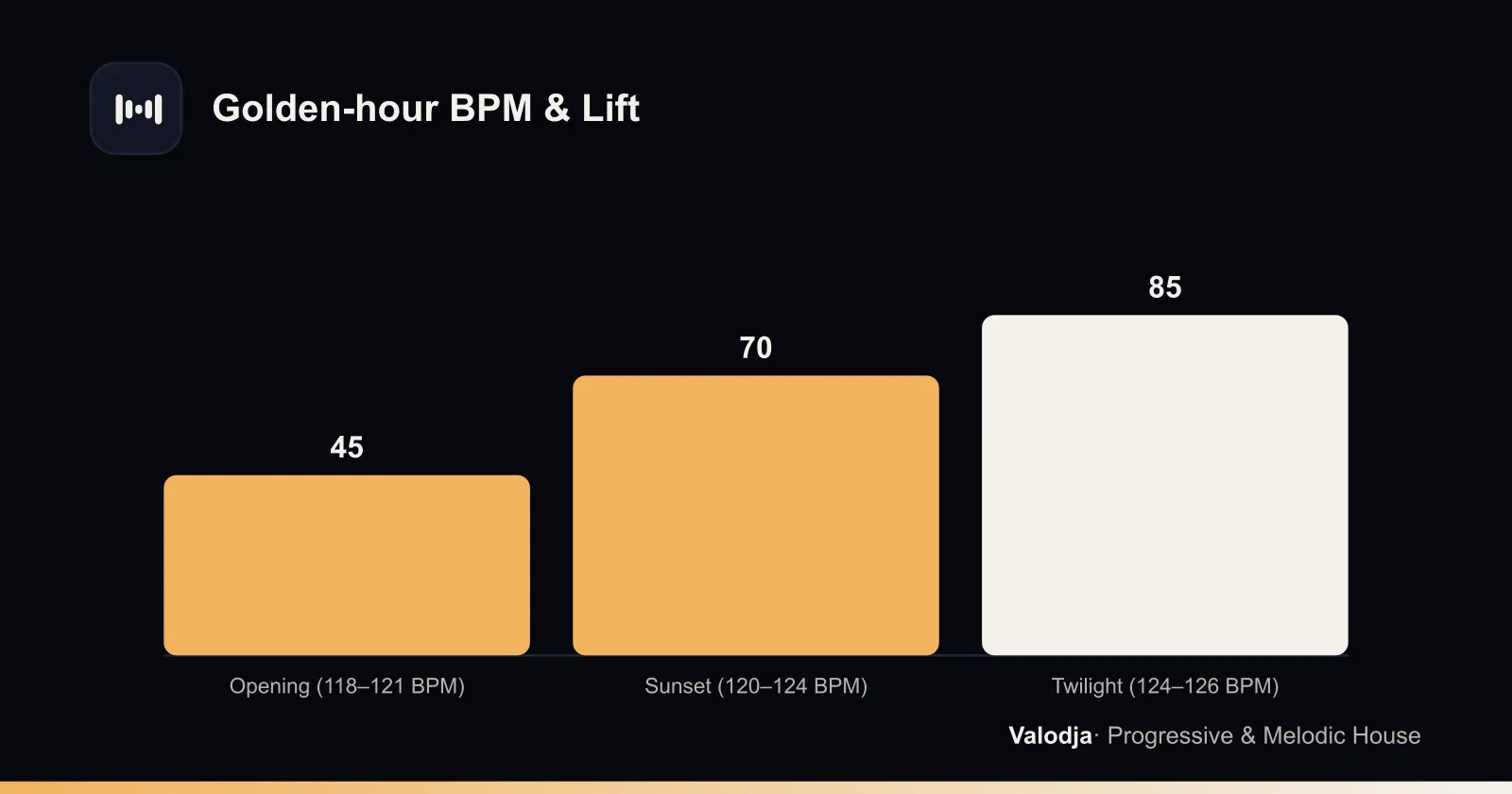
- BPM: expect a center of gravity around 120–124 BPM, with some DJs starting near 118 and nudging up as light fades. The goal isn’t speed — it’s glide.
- Pads and reverb: atmospheric pads, airy strings, and tasteful reverb give width without muddying the kick. Reverb is kept musical, with low-end rolled off so the groove stays tight.
- Harmonic progression: chord-led tracks in uplifting minor modes or modal shifts; harmonic progression that tells a story rather than a one-note vamp.
- Build and release: fewer hard cuts, more long builds and crossfades; tension is carried by harmony, not just risers.
Sunset scenarios cheat sheet — pick your path based on the sky:
| Sky/Setting | Music direction (BPM, harmony) | Lighting palette | Crowd moment |
|---|---|---|---|
| Clear, golden sun | 120–123 BPM; warm chord progressions; pads | Warm oranges/pinks, soft ambers | Unified cheer at first drop |
| Overcast, moody | 118–121 BPM; deeper harmonics; fewer vocals | Muted blues, rose, minimal FX | Quiet sway, phones down |
| Beach/clifftop | 120–124 BPM; rolling bass, airy reverb | Sunset palette + silhouettes | Group sing-along near horizon |
| Urban skyline | 121–125 BPM; tighter drums, brighter leads | Copper/rose + city accent LEDs | Hands-up as lights switch on |
Tip: a track built for sunset often has a clear melodic hook and long intro/outro for layering; daytime or peak-time tracks usually go drier, punchier, and faster.
Visuals and crowd lights: what the sunset look is about
During sunset, natural light does half the work; stage lighting paints the rest. Production teams will often hold back strobes and heavy beams until the sun dips, leaning on hazers, soft side wash, and gentle moving heads to complement the sky. The visuals aim to amplify the horizon, not fight it.
Crowd lights at this hour are a conversation, too. “Melodic house festival crowd lights” usually refers to a mix of phone lights and any coordinated elements (like LED wristbands). Phone lights are personal flashes of participation; coordinated wristbands or stage-cued LED effects are part of the show’s design. The key difference is control: production lighting follows the music and director cues; viewer lights are spontaneous. If you use phone lights, keep them low and rhythmic so they add to, not distract from, the visuals. Expect a sunset palette of warm oranges and pinks giving way to amethyst and indigo as twilight takes over.
What to expect from the crowd and the atmosphere
The melodic house festival crowd tends to be listening-first but far from static. You’ll see relaxed, swaying dancing with bursts of collective energy at key melodic hits. Compared with a peak-time house audience, the energy is more patient, less jittery; compared with a purely melodic techno or deep-house crowd, it’s a touch softer and often more vocal-friendly. In short: more music appreciation, not less movement. For the melodic house sunset crowd, the drop is about feeling the chord change as much as throwing hands.
Crowd behaviour: how people move and interact
- Sway over stomp: a steady sway is common, with micro-grooves and head-nods between bigger moments.
- Small groups: friends cluster in loose groups, making space and sharing water.
- Occasional sing-along: when a hook lands, you’ll hear a quick chorus, then a return to attentive listening.
- Etiquette: people let long, atmospheric phrases play without constant whoops; cheers come at well-timed lifts.
Crowd lights and photography: dos and don’ts
Phone lights can look beautiful in a sea of silhouettes, but they’re best used sparingly. Avoid blinding flash; it ruins photos and breaks immersion for those around you. Good photography etiquette: step to the side, hold your phone at or below eye level, and take a few shots during breaks rather than across every build. Respect the people behind you and the artist’s flow.
Typical set timing & stage programming for sunset sets
Promoters usually shape the day so the sunset set has room to breathe. A classic arc: warm-up (deeper, slower records), sunset headline (the emotional centerpiece), then twilight/peak where drums get tighter and tempos nudge up. Back-to-back (B2B) slots may appear on either side to keep variety and momentum without stealing the sunset moment.
In practice, programming and timing look like this:
- Warm-up: 2–3 hours before sunset, unhurried grooves to set the ear.
- Sunset set: straddles golden hour, allowing a long emotional build.
- Twilight/peak: after the sun dips, percussion and synth attack increase.
- B2B roles: a B2B can extend the arc — one DJ layers harmony, the other sharpens transitions.
How DJs shape a sunset set (track selection & sequencing)
From track selection to sequencing, sunset is about restraint and payoff. Vocal moments are best placed as the color peaks or just after, giving the crowd a shared release before the mix eases into darker hues. Build/relief cycles stretch longer than at peak-time: 10–15 minute arcs are common, with transitions that carry key and mood cleanly into twilight.
Author experience: I’ve played and sequenced sunset sets as a DJ and producer, and the surest wins are simple — a strong hook saved for the horizon, careful key matching, and transitions that let pads linger as the drums take over. If this page shows a sunset photo and a setlist screenshot, they come from my own sets, added to illustrate that approach in the wild.
When to arrive and where to stand for the best sunset view
- Arrival time: target 45–90 minutes before local golden hour to settle in, scout your angle, and catch the warm-up narrative.
- Best spots: front-of-stage for immersion and crowd energy; raised platforms for skyline vistas; beach or overlook spots for a clean horizon.
- Checklist: water, hydration salts, ear protection, light layer for the post-sunset chill, portable charger.
- Small moves: identify exits and medical points on arrival, then relax.
Download and keep the Melodic House Sunset Checklist (PDF) handy; it’s built for quick pre-gate checks.
How melodic house festivals differ from melodic techno and deep house
Here’s a quick comparison to separate feel and function. If you want a deeper dive, look for the related articles on this site — “What Is Melodic House,” “Best Melodic House Playlists,” and “Melodic House Artists to Follow” — mentioned here in place of an internal link.
| Feature | Melodic House | Melodic Techno | Deep/Organic House |
|---|---|---|---|
| Tempo (typical) | 118–126 BPM | 122–128 BPM | 112–122 BPM |
| Groove feel | Swing/groove-forward | Straighter, driving | Loose, earthy, relaxed |
| Vocals | Present fairly often | Sparser, more textural | Occasional, understated |
| Harmonic progression | Uplifting, chord-led | Hypnotic, darker modal shifts | Warm, organic chords |
| Sunset energy | Emotional lift, wide pads | Tension with steelier edges | Gentle sway, low-impact |
| Production vibe | Polished warmth | Sleek, industrial touches | Acoustic textures, hand percussion |
This comparison should help you pick the right stage when lineups overlap between melodic techno, deep house, and house-leaning progressive sets.
How to prepare: playlist, gear and mindset
- Wardrobe: dress for the light shift — breathable by day, a light jacket after dark.
- Hydration: sip steadily; bring a soft bottle and add electrolytes if it’s hot.
- Earplugs: carry a high-fidelity pair; you’ll hear more detail and protect your hearing.
- Power: pocket charger for your phone and wristband lights.
- Playlist and mindset: build a short melodic house mix to set your pace, then let the festival surprise you — be ready to listen and move without chasing every drop.
Festival playlist: what to save and which playlists to follow
Pack your queue like a DJ:
- Opening tracks: deep, warm chords, light drums, room to breathe.
- Build tools: rolling basslines, evolving pads, subtle risers.
- Sunset anthem: one big melodic hook you never tire of.
- Twilight selectors: slightly faster, darker tunes that still sing.
Use the Spotify embed below to start, then hit Spotify follow on the artist and curated lists. For curation tips, check the editorial on judging playlists like a DJ — referenced here instead of an internal link — and keep an ear on newly added melodic house anthems.
Sensible festival etiquette & safety for melodic listeners
- Etiquette: let long, sustained tracks breathe; cheer at lifts, not over every bar.
- Safety: stay hydrated, wear ear protection, and step back if you feel overheated.
- Friends: agree on a regroup point; watch out for one another.
- Medical: note med tents on arrival; don’t hesitate to ask staff for help.
- Respect: give space for dancers and photographers; don’t shoulder into view lines at the drop.
Where to find melodic house festivals and sunset events
Use a mix of tools and local knowledge:
- FestGPS and Resident Advisor listings: check dates and tags, then save options to your calendar.
- Spotify playlists: follow curators who consistently program golden-hour moods; their event posts often hint at where to go next.
- Promoter pages: follow local promoter pages and venue calendars in hubs like Ibiza, Tulum, Los Angeles, and Barcelona.
- Search tips: try phrases like “melodic house sunset party,” “beach golden hour DJ set,” or add your city + “sunset set.” Combine with weekend dates to narrow results.
FAQ — quick answers for listeners
Quick answers below; use official festival resources for final details on schedules and entry rules.
-
What artists are melodic house? Melodic house artists lean on tuneful hooks, atmospheric textures, 118–126 BPM grooves, and emotional progressions. You’ll hear chord-led drops, patient builds, and often some vocals. For deeper discovery, explore this site’s guides on what melodic house is and melodic house artists to follow.
-
What is a melodic house sunset set? A melodic house sunset set is a DJ set programmed around golden hour, using gentle builds, melodic transitions, and timing that lets the sky’s color shift land with key musical moments. Exact timing depends on location and the festival schedule.
-
How do melodic house festivals differ from melodic techno events? Melodic house is more groove‑oriented and often more vocal‑friendly; melodic techno tends to be steelier, more hypnotic, and less vocal. Tempos can overlap, but the feel and sound design are different.
-
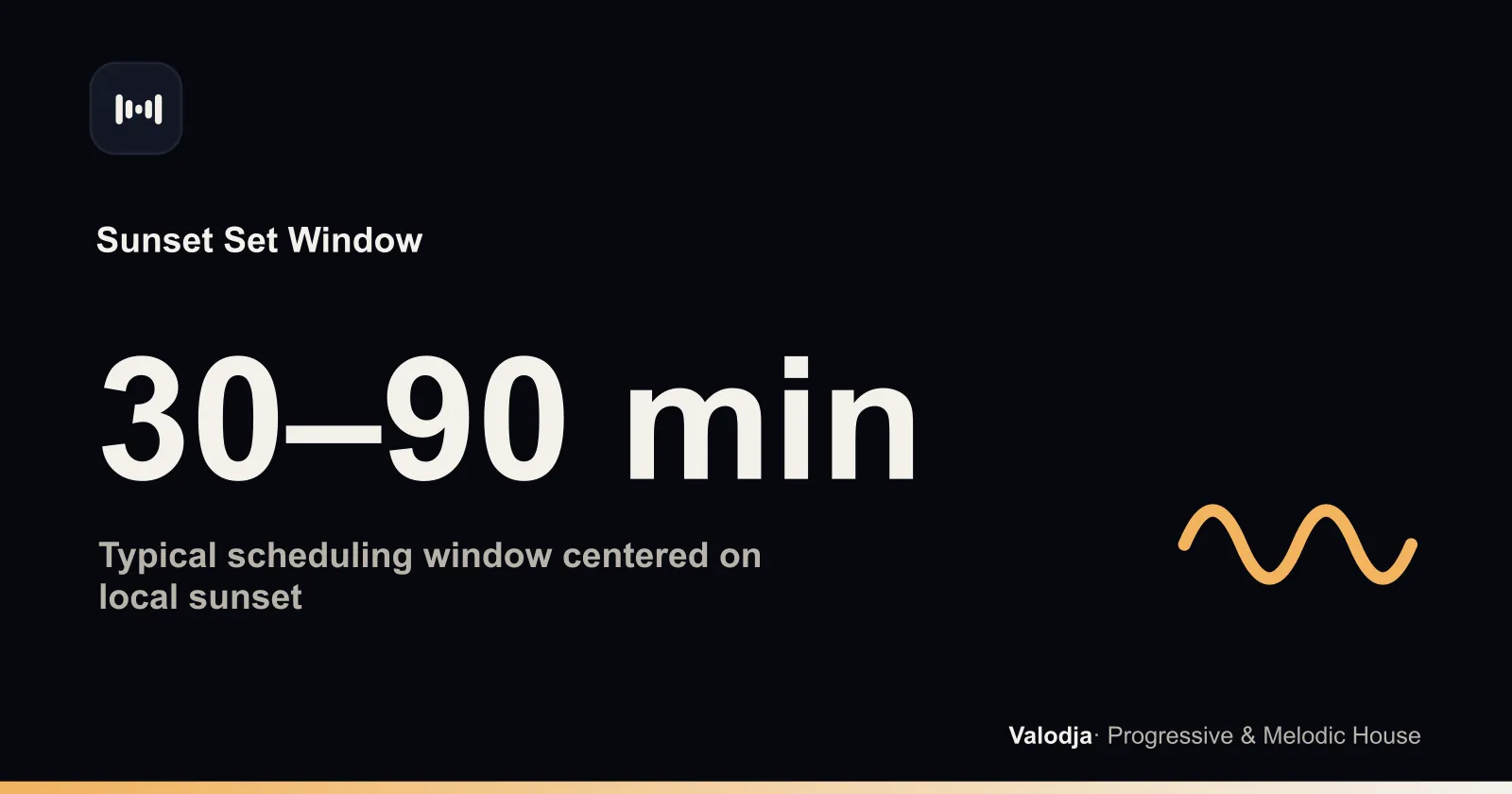
When do sunset sets usually happen at festivals? Sunset sets are typically scheduled around local golden hour—roughly 30–90 minutes around the sun’s dip—but exact times vary by venue and date. Check the festival timetable on the day.
-
How can I find melodic house sunset parties and playlists? Use festival finders like FestGPS, Resident Advisor party listings, genre Spotify playlists, and follow local promoter pages. For listening, follow curated playlists here and on Spotify, then track events from those curators.
Wrap-up: what to do next (follow, playlist, attend)
If this guide helps, save it and share it. Follow on Spotify to catch fresh sunset-ready additions, and add the embedded playlist to your library before your next show. Use the downloadable checklist on your way out the door. For more context, look up the companion pieces on this site about melodic house basics, artists to follow, and best melodic house playlists — referenced here instead of internal links so you can search and explore at your pace.
P.S. I do not invent festival lineups or numbers; everything here is based on listener observation and first-hand sets. Enjoy the next horizon and see you at golden hour.
— Valodja
FAQ
- What artists are melodic house?
- Melodic house artists lean on tuneful hooks, atmospheric textures, 118–126 BPM grooves, and emotional progressions. You’ll hear chord-led drops, patient builds, and often some vocals. For deeper discovery, explore this site’s guides on what melodic house is and melodic house artists to follow.
- What is a melodic house sunset set?
- A melodic house sunset set is a DJ set programmed around golden hour, using gentle builds, melodic transitions, and timing that lets the sky’s color shift land with key musical moments. Exact timing depends on location and the festival schedule.
- How do melodic house festivals differ from melodic techno events?
- Melodic house is more groove‑oriented and often more vocal‑friendly; melodic techno tends to be steelier, more hypnotic, and less vocal. Tempos can overlap, but the feel and sound design are different.
- When do sunset sets usually happen at festivals?
- Sunset sets are typically scheduled around local golden hour—roughly 30–90 minutes around the sun’s dip—but exact times vary by venue and date. Check the festival timetable on the day.
- How can I find melodic house sunset parties and playlists?
- Use festival finders like FestGPS, Resident Advisor party listings, genre Spotify playlists, and follow local promoter pages. For listening, follow curated playlists here and on Spotify, then track events from those curators.